June 17, 2026
The plumbing landscape is undergoing a radical transformation, moving far beyond the simple pipes and wrenches of previous generations. In an era of rapid technological evolution, the industry has integrated sophisticated technologies and innovative practices that deliver proven results for homeowners and the environment alike. Modern plumbing services have significantly improved efficiency, sustainability, and the overall customer experience. Understanding these advancements empowers homeowners to make informed decisions for sustainable home management. According to Consumer Affairs, plumbing is the most common home repair in the country, with approximately 28% of homeowners reporting they needed a plumber's assistance at least once within a single year. This high frequency of professional need underscores why staying abreast of modern advancements is essential for maintaining the integrity and value of a residential property.
1. Conserving Water Resources Through Advanced Technology
Water conservation is at the forefront of modern innovations within the industry. Advanced technologies and systems have made it possible to significantly reduce household water usage without sacrificing convenience. Incorporating efficient practices in plumbing helps alleviate the global water crisis while providing immediate benefits to the individual household. Modern solutions provide a strategic approach to minimizing water wastage, enhancing both efficiency and environmental stewardship. One of the most impactful changes has been the implementation of smart water meters. These devices are increasingly being adopted to track water usage in real-time, providing homeowners with insights into their daily water consumption patterns. By having access to immediate data, users can adjust their habits to conserve water better. Smart meters also play a key role in early leak detection, alerting residents to potential issues before they escalate.
2. Improving Energy Efficiency in Heating Systems
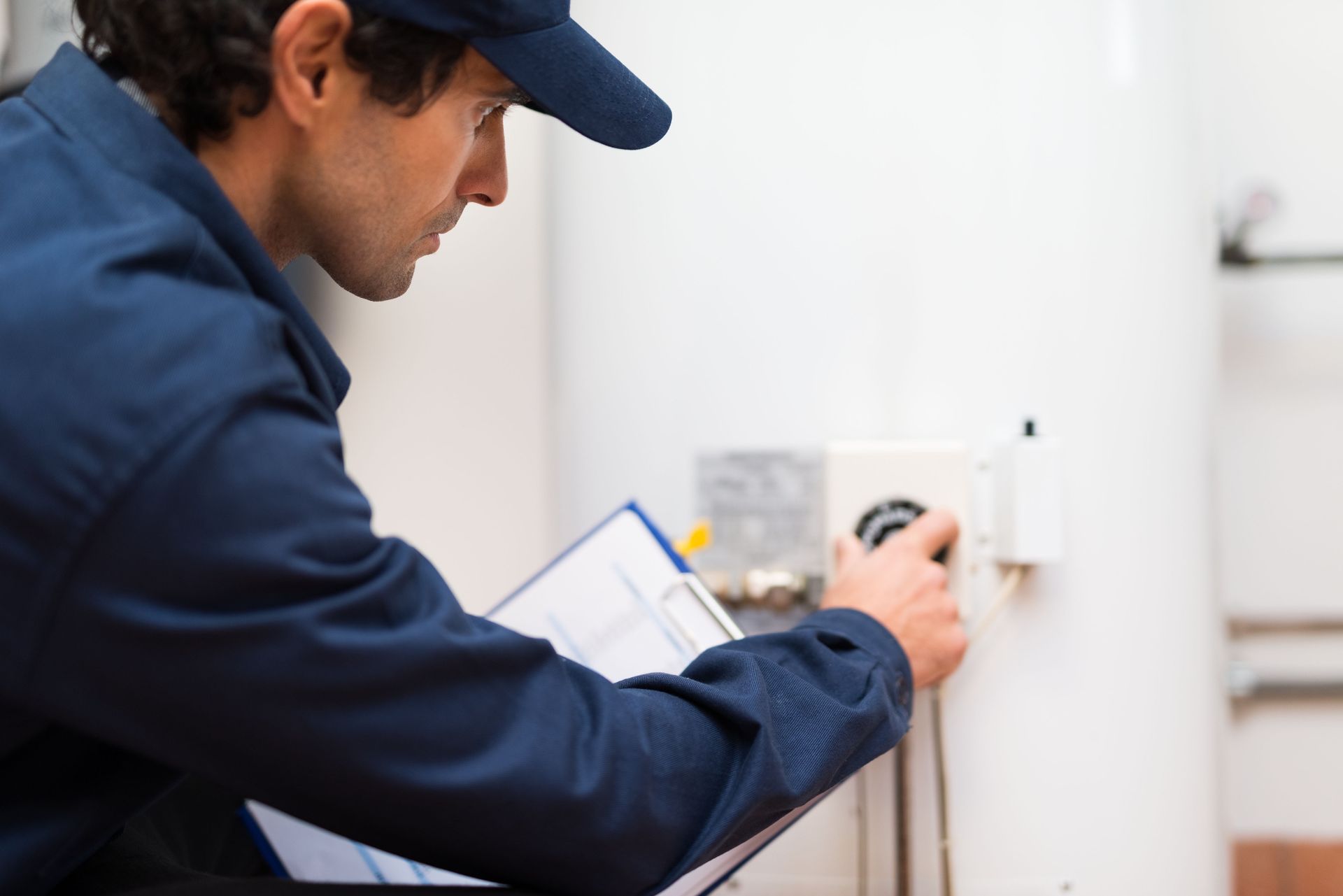
Modern water heater technologies focus on efficiency and sustainability, offering profound improvements over traditional models. Today's units are designed to heat more efficiently, reducing energy consumption significantly through higher insulation standards, better control systems, and smarter sensors. These advancements not only lower the energy bills for homeowners but also align with environmental goals by cutting down the carbon footprint of the household. Since many calls for plumbing services involve water heating issues, these technological leaps are pivotal for long-term home management. Solar water heaters are an exemplary addition to these energy-efficient systems. By utilizing the sun's energy, these systems significantly reduce reliance on traditional energy sources. This results in direct cost savings and a decrease in greenhouse gas emissions.
Effective insulation is a cornerstone of energy-efficient systems, particularly in relation to hot water delivery. Advanced insulation materials prevent heat loss in transit, ensuring that hot water remains at the desired temperature for longer periods. By maintaining heat within the pipes, these solutions significantly reduce the workload on water heating systems. Additionally, heat pump systems offer a highly efficient means of transferring heat from one place to another. Unlike traditional heating methods, heat pumps utilize a small amount of energy to move heat rather than generating it directly. This efficiency can lead to substantial reductions in energy use and utility bills. Tankless water heaters also represent a modern solution, offering on-demand hot water with notable energy savings. These systems heat water directly as needed rather than maintaining a reservoir of hot water, thus conserving energy and saving space. Their durability often surpasses that of traditional heaters, providing long-term reliability and cost savings for those who invest in professional installation.
3. Identifying Hidden Issues with Precision Tools
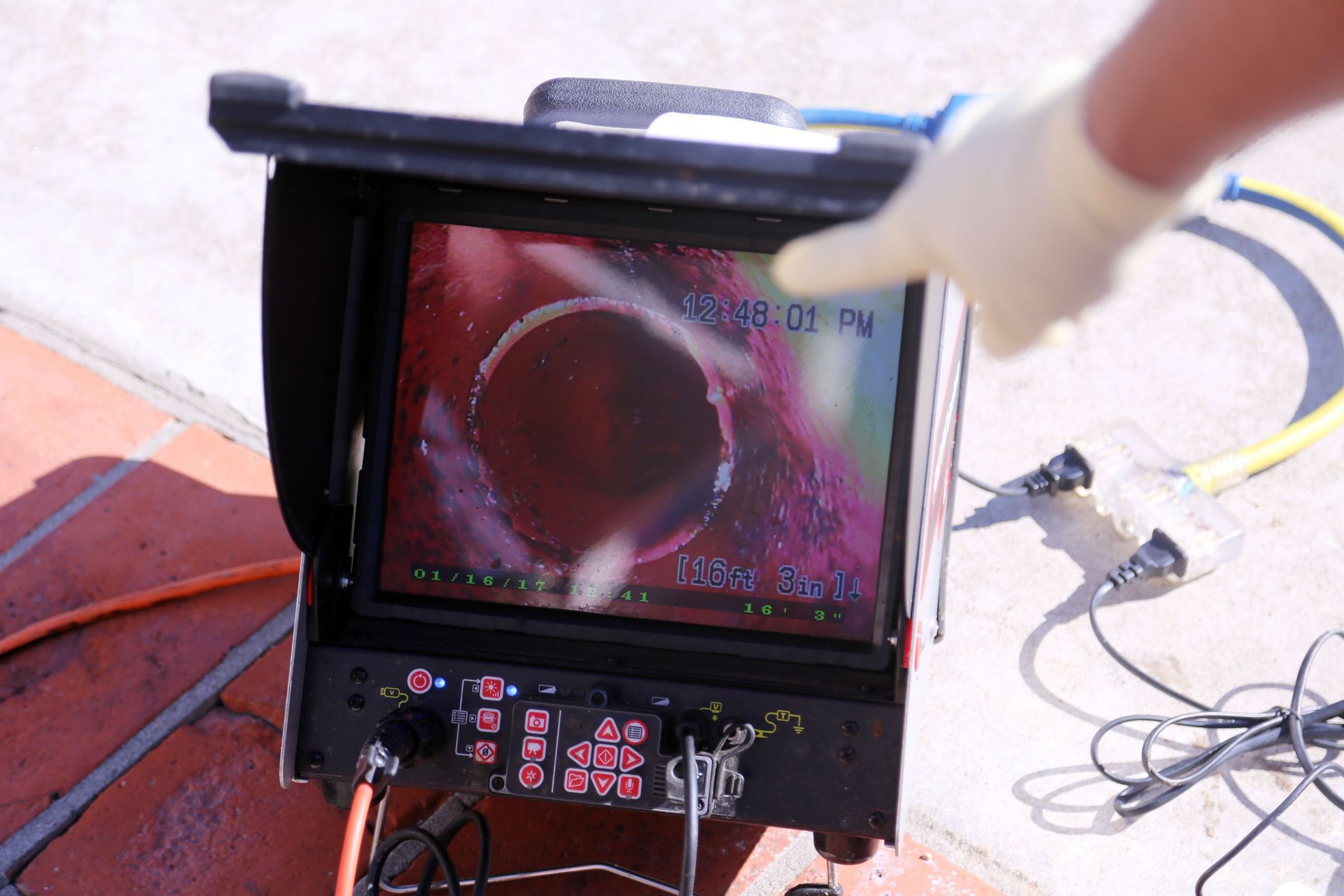
The utilization of acoustic leak detection is a pioneering method used to detect leaks quickly and accurately. This technique employs sensitive equipment to listen for sounds of water escaping through pipes, allowing for precise leak localization. By identifying issues early, homeowners can avoid potential water damage and excessive repair bills. The utilization of such technology reflects an industry shift towards non-invasive and efficient practices. In a sector where plumbing repairs are the most common, such innovations mark a radical improvement in service delivery. Camera inspections have also revolutionized the way professionals diagnose pipe issues, providing a clear view of internal pipe conditions without intrusive measures. These advanced cameras allow for investigation without dismantling or excavation, preserving the home's integrity. The high-resolution images facilitate the quick identification of clogs, breaks, or tree root intrusions.
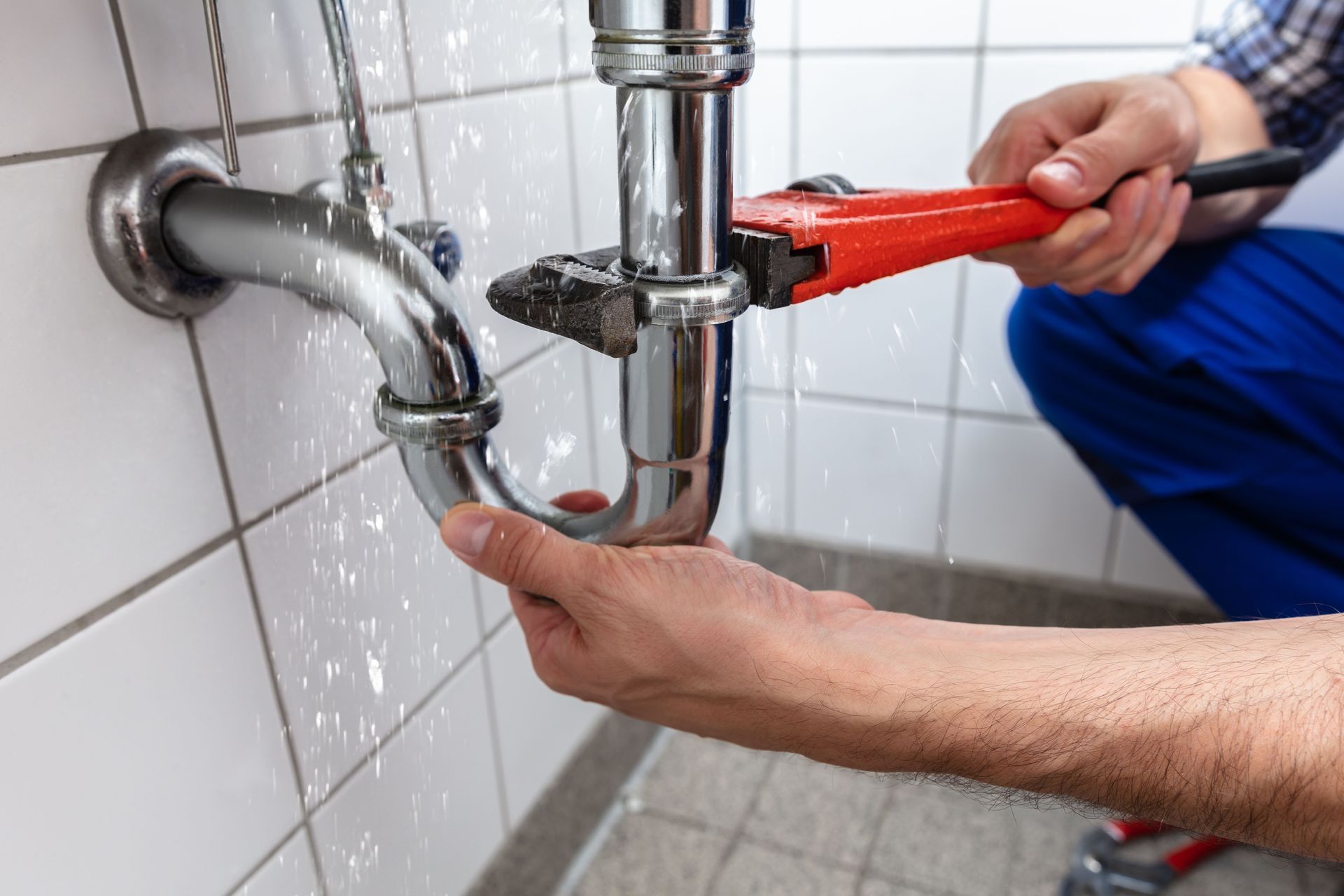
Smart leak detection systems utilize a network of sensors to monitor for leaks and relay alerts in real-time to homeowners' devices, making plumbing services more accessible than ever. This offers a proactive approach, catching leaks before they develop into costly problems. With mobile notifications and smart home integration, residents are equipped with vital information to respond promptly to issues. This reduces water wastage and minimizes structural damage. When repairs are necessary, non-invasive techniques like trenchless pipe repair have replaced the need for destructive digging. These methods eliminate the need to tear up lawns or demolish walls, focusing instead on minimal disruption. Techniques like pipe bursting and relining allow repairs to be conducted with greater speed and less environmental impact.
4. Enhancing Health and Safety Standards
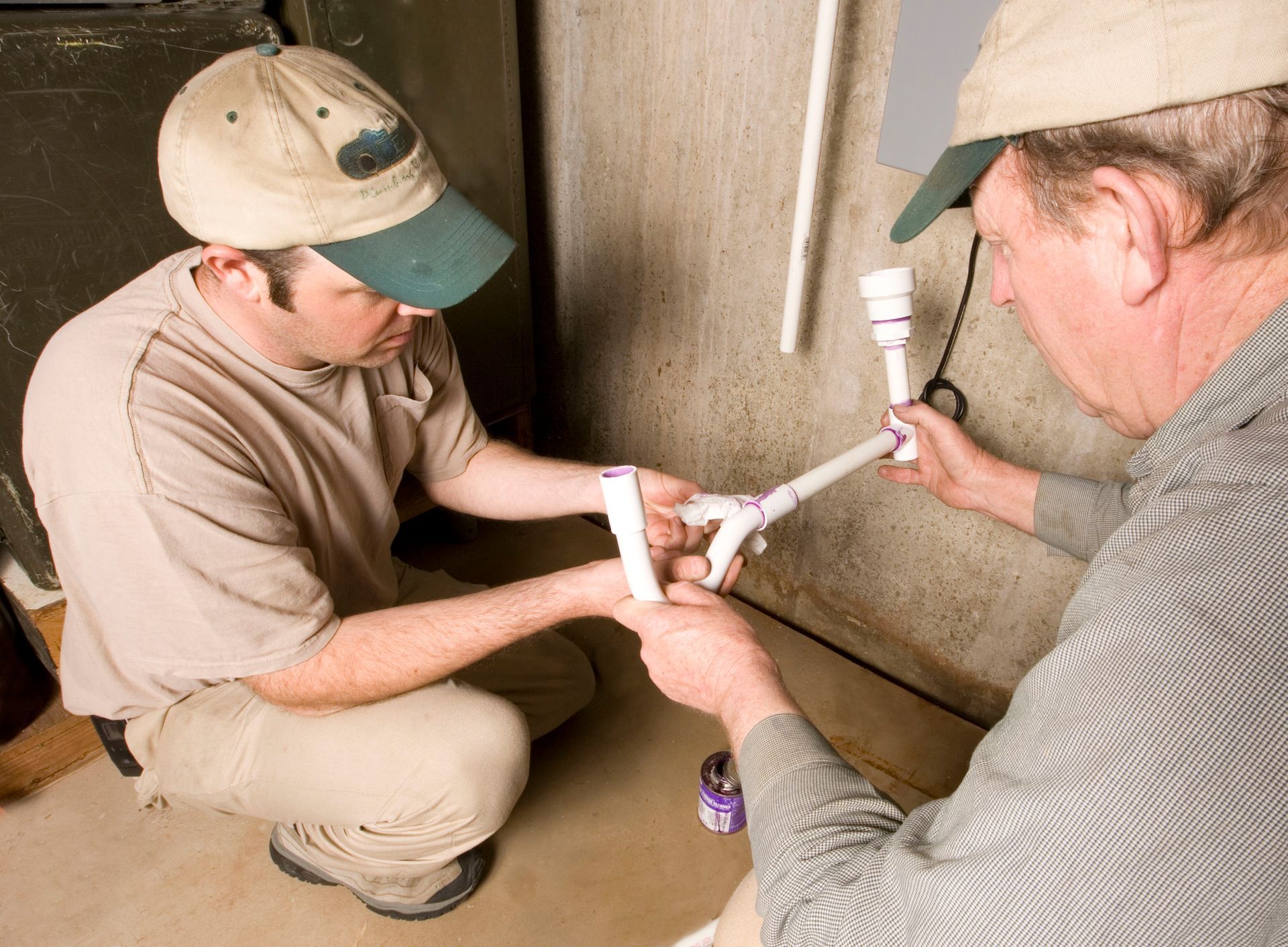
The modern industry prioritizes health and safety by adopting non-toxic pipe materials. Materials such as PEX and CPVC are designed to resist bacterial growth and reduce health hazards associated with older metal piping. By eliminating potential contamination from traditional pipes, homeowners can ensure a safe and secure water supply. This transition reflects a commitment to improving public health standards in residential environments. Efforts to reduce lead and other contaminants in water are also crucial. Modern practices include thorough testing and the replacement of infrastructure contributing to water impurities. Advanced filtration systems can further purify water, removing hazardous substances that threaten health. These proactive measures align with stringent regulatory standards aimed at promoting water safety.
UV water purification stands out as a chemical-free method of ensuring safe drinking water. By using ultraviolet light to eliminate bacteria, viruses, and other pathogens, UV systems effectively disinfect water supplies. This method offers a reliable and eco-friendly alternative to traditional chemical treatments, enhancing water quality without harmful byproducts. Safety extends to other areas of the home as well, such as gas line maintenance. Professional plumbing services prioritize safe repair and maintenance practices to prevent leaks and potential hazards. Experts utilize advanced equipment and thorough inspections to guarantee the secure operation of gas systems. Compliance with health and safety standards is a cornerstone of professional practice. Regulatory frameworks guide providers in performing their duties responsibly, with the health of consumers as a priority.
5. Boosting Customer Experience Through Digital Integration
Mobile apps have significantly enhanced the way homeowners interact with service providers, offering convenience in scheduling and monitoring. Users can easily book appointments, receive real-time updates, and track progress through their phones. This convenience streamlines communication and improves overall service efficiency. The adoption of mobile apps reflects a broader industry trend towards integrating digital solutions for an enhanced experience. Furthermore, advancements in customer feedback systems have enabled businesses to gather insights that drive continual improvement. Modern providers utilize digital platforms to solicit real-time feedback, addressing concerns swiftly.
Online quoting and invoicing have also transformed interactions, offering speed and transparency. Customers can now receive accurate quotes and manage payments online, reducing the delay of traditional paperwork. This digital shift ensures faster transaction times and a streamlined process. Real-time communication via live chat, SMS alerts, and video calls ensures clients are informed and reassured throughout the process. These technologies bridge the communication gap and foster transparency.
Modern plumbing services present a myriad of benefits encapsulated in innovative technologies and sustainable practices. To ensure your home remains in peak condition, contact Primo Plumbing & Heating today to schedule a comprehensive inspection and experience the benefits of advanced plumbing care.