December 19, 2025
Understanding the role of plumbers in safeguarding your home can prevent costly plumbing repairs and ensure the long-term durability of your property. This article explores various ways plumbers contribute to protecting your home from water damage. Without skilled plumbers, many households would face severe issues, compromising their structural integrity and leading to potential hazards.
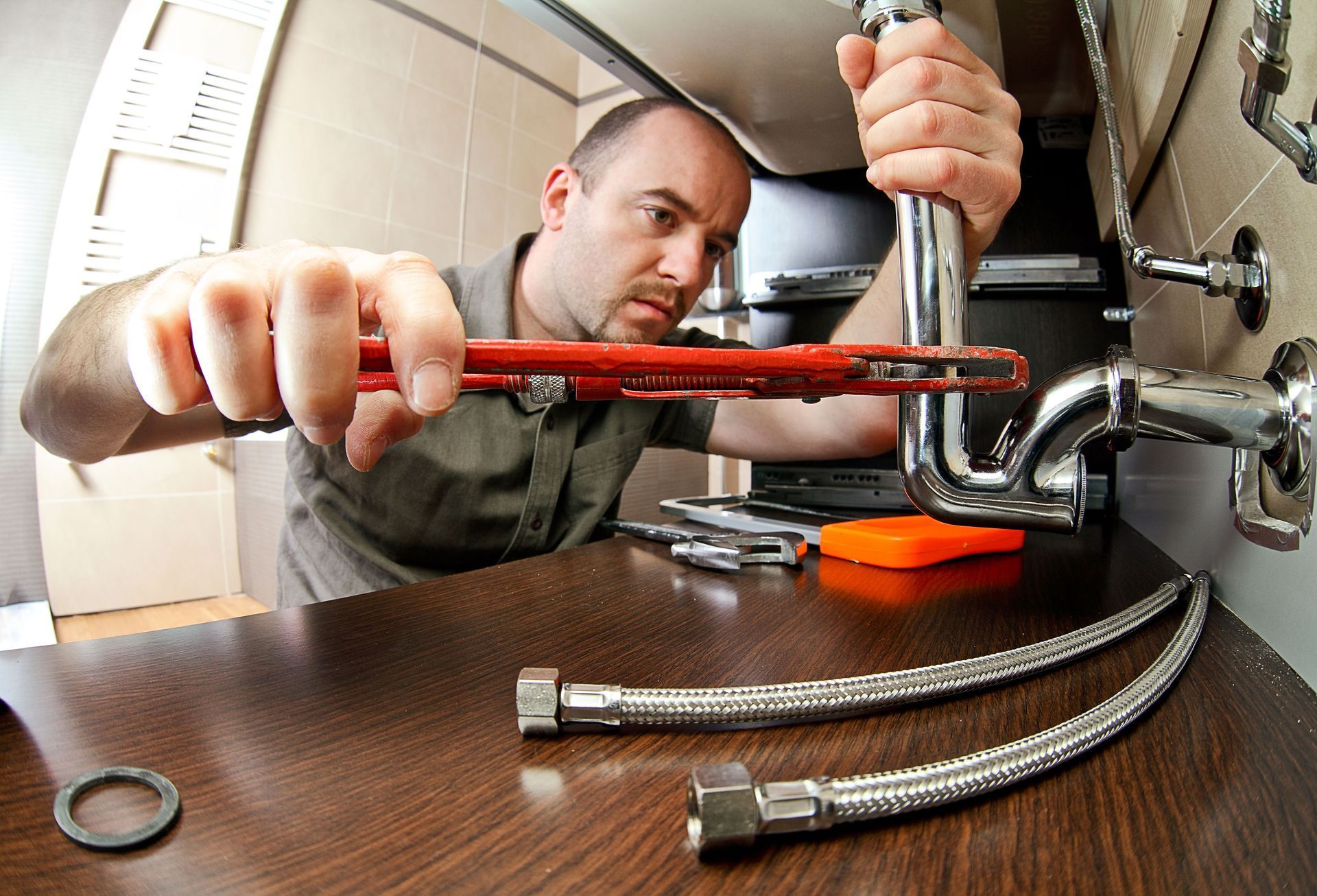
Plumbers are more than just repair specialists; they are vital components in ensuring the health and safety of your home's infrastructure. From discovering leaks to providing guidance on maintenance practices, plumbers play a diverse role. Their expertise helps homeowners make informed decisions about maintaining and upgrading their plumbing systems.
1. Detecting Plumbing Issues Early On
Early detection of plumbing issues is vital to prevent water damage. Plumbers conduct regular inspections to identify problems before they escalate. Through these routine checks, they can pinpoint leaks, corrosion, or blockages in their nascent stages. Addressing these minor issues promptly avoids major disruptions and costly repairs. As such, consistent inspections are a proactive measure to protect homes.
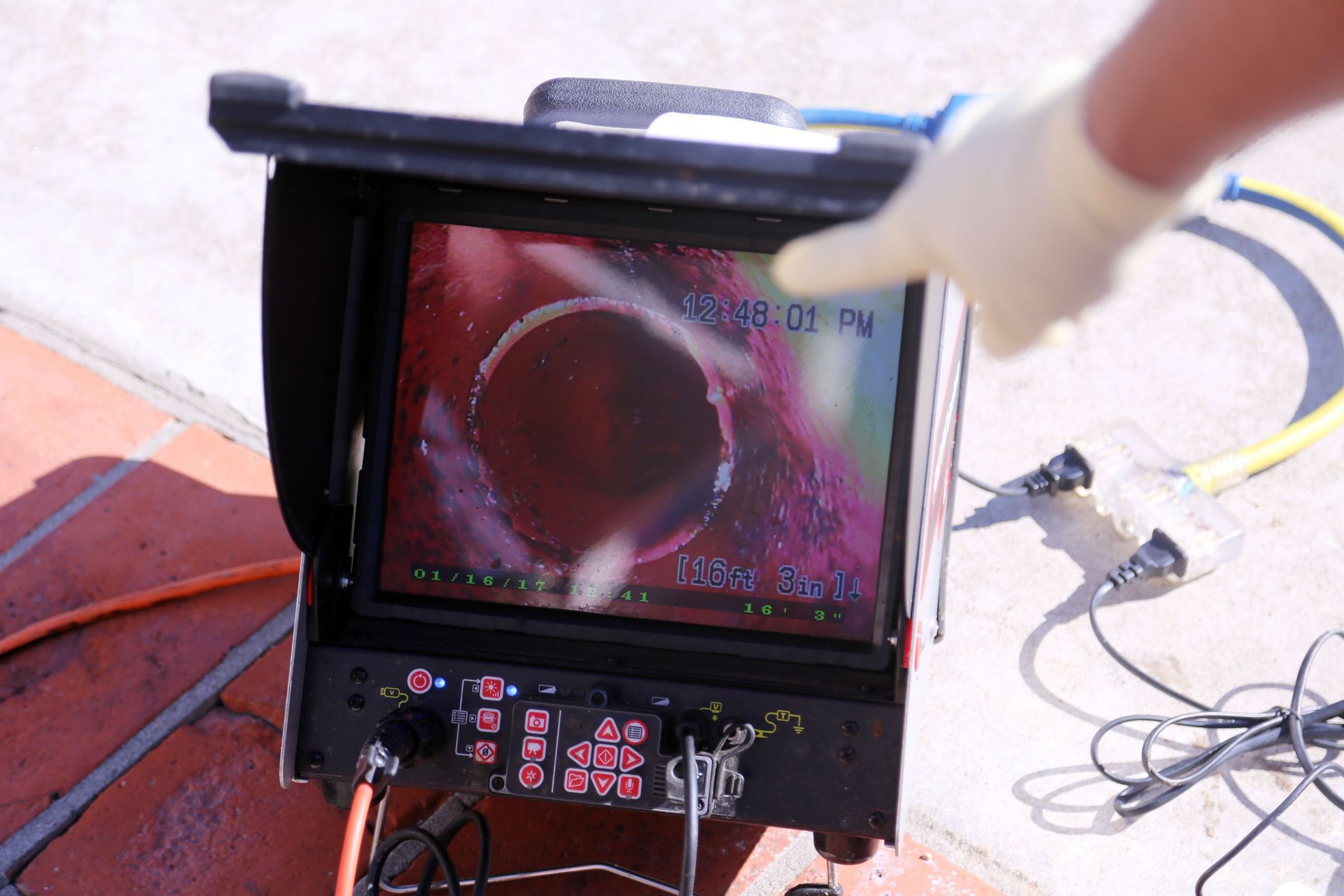
One critical aspect of early detection is the identification of hidden leaks. Plumbers employ advanced diagnostic tools to locate leaks behind walls or under floors. These tools help in determining the exact source of a leak without extensive damage to the property. Recognizing these issues early prevents them from escalating into larger threats. It ensures the structural integrity of the home remains intact.
Advanced diagnostic tools, like moisture meters and thermal imaging cameras, are instrumental in early detection. These tools allow plumbers to see beyond the surface and detect hidden water issues. By leveraging such technology, plumbers can offer precise interventions before significant damage occurs. This proactive approach saves homeowners substantial amounts in potential repair costs. Knowledge of these tools and techniques reinforces the importance of hiring skilled professionals.
2. Incorporating Preventive Maintenance Practices
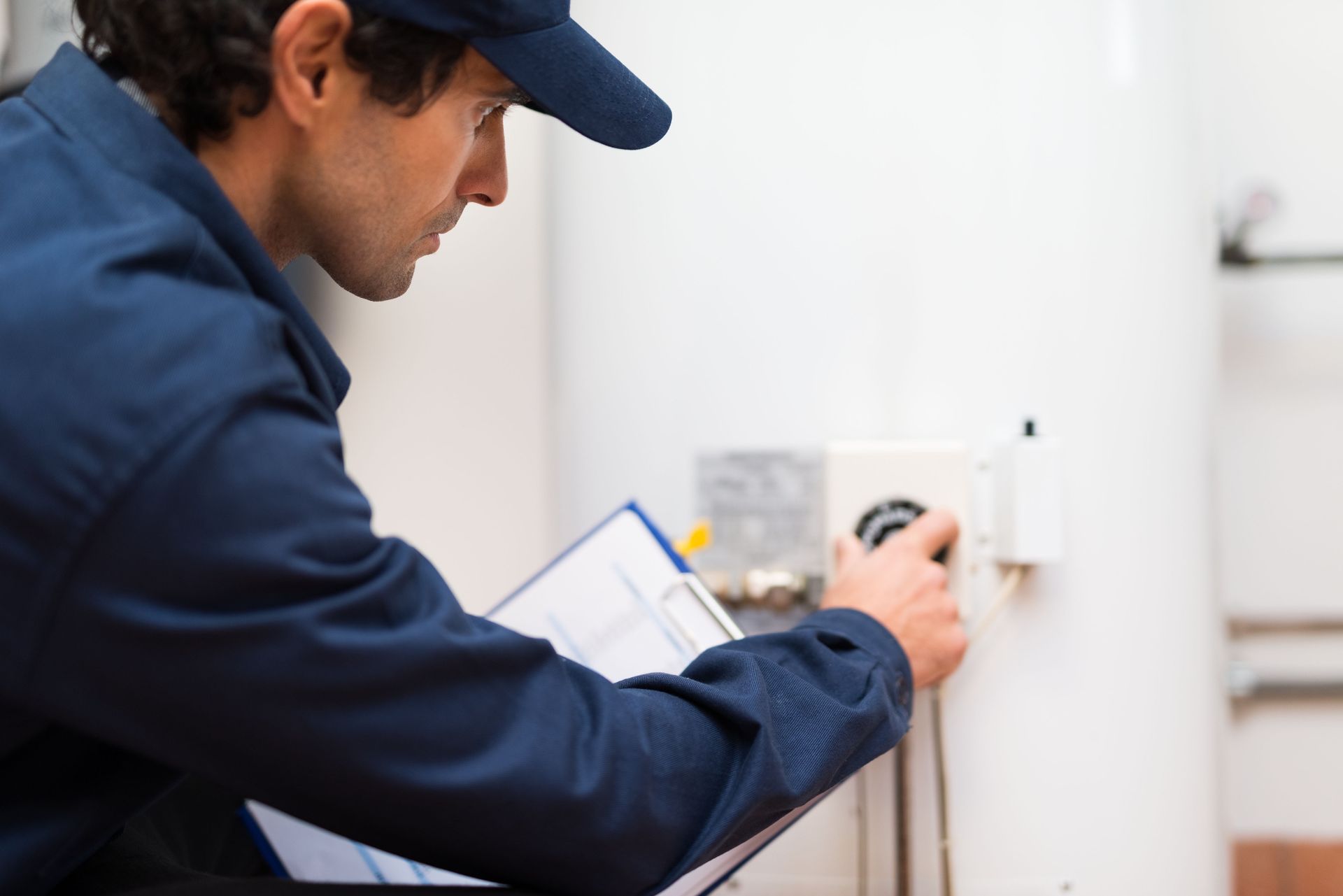
Preventive maintenance is key to extending the life of plumbing systems. By scheduling routine maintenance checks, homeowners can ensure their systems are functioning optimally. These checks involve inspecting pipes, joints, and other components for wear and tear. Regular reviews help detect potential issues early. An effective maintenance schedule can significantly reduce the risk of sudden failures.
Another preventative measure involves cleaning and installing filters. Filters keep harmful debris from entering the plumbing system, preventing blockages and build-up. Clean filters ensure smooth water flow and reduce strain on the entire system. Regular cleaning or replacement of these filters is a simple yet effective practice. It exemplifies the importance of keeping plumbing systems unobstructed for efficiency.
Furthermore, addressing minor issues before they escalate is crucial. During routine checks, plumbers might find small leaks or corrosion. Timely repairs prevent these minor issues from developing into severe problems. It showcases the importance of professional intervention before issues grow unmanageable. As such, minor repairs contribute significantly to long-term plumbing health.
3. Installing Efficient Plumbing Systems
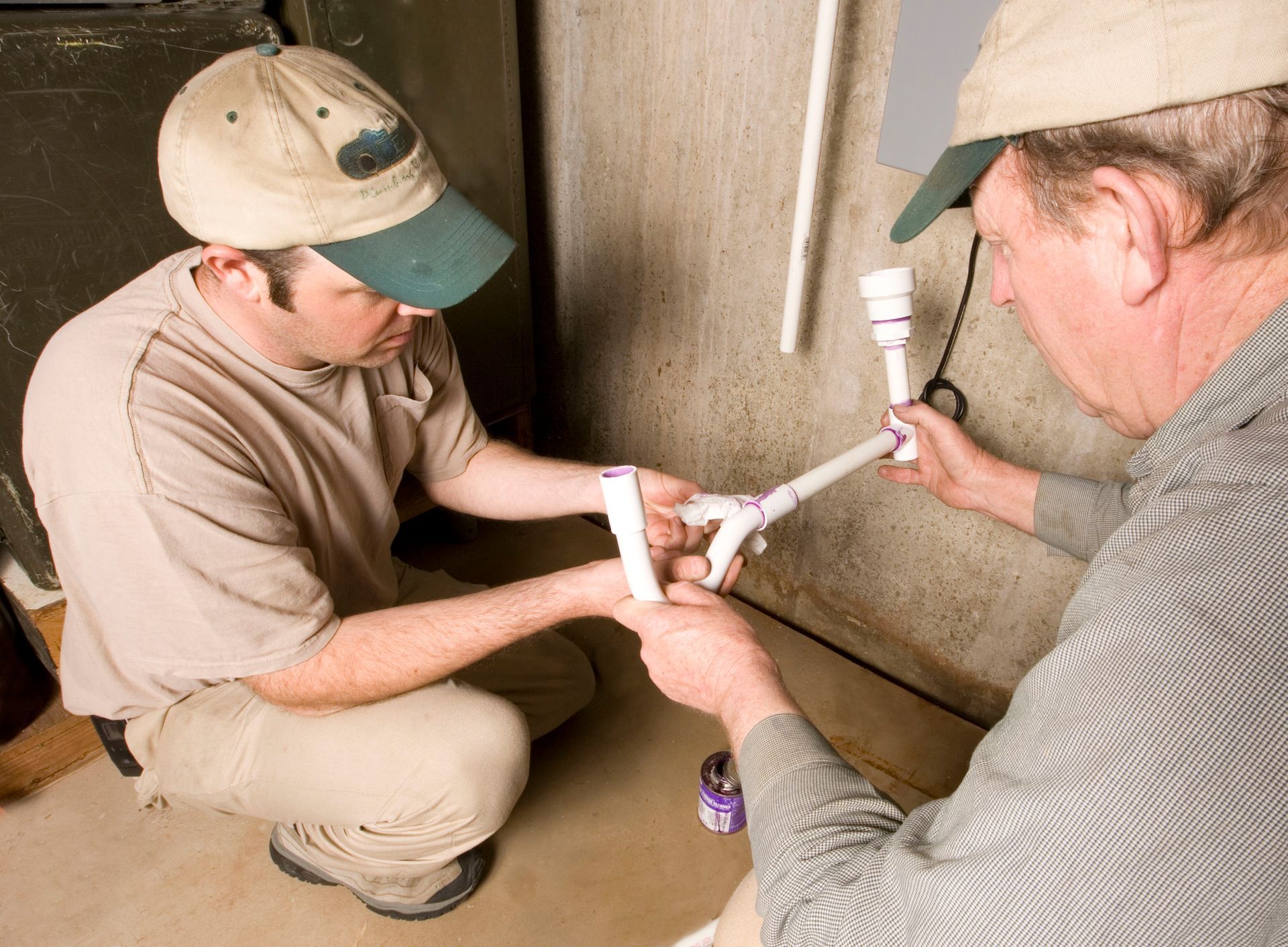
The installation of efficient plumbing systems is essential for sustainable water management. When choosing the right materials, plumbers ensure that the components used are suited to the specific needs of the home. This involves selecting materials that are resistant to corrosion and wear and tear. Proper materials minimize the risk of leaks and ensure longevity. Hence, the right choice in materials plays a critical role in the system's efficiency.
Implementing water-saving technologies is another critical aspect. Plumbers introduce the latest water-saving fixtures that reduce consumption without sacrificing performance. These technologies, including low-flow faucets and dual-flush toilets, reduce water usage. It emphasizes the need for sustainable practices to preserve resources. These technologies not only protect the environment but also reduce utility bills for homeowners.
Ensuring proper pipe sizing and routing is a responsibility that plumbers undertake during installations. Correct pipe sizes prevent undue pressure on the system. Proper routing ensures efficient water flow throughout the property. Attention to these details prevents the common pitfalls that lead to leaks and breaks. It is essential for creating a robust and efficient plumbing network.
4. Offering Emergency Plumbing Services
Emergency plumbing services are a lifeline for homeowners facing urgent issues. According to WebFx, there are about 130,000 plumbing companies operating in the U.S. With many plumbing companies offering 24/7 availability and rapid response, homeowners are assured of immediate attention during crises. This accessibility ensures that water-related emergencies, such as burst pipes or severe leaks, are addressed promptly. Quick response minimizes potential damage and reduces repair costs. It provides peace of mind to homeowners knowing help is always within reach.
Handling burst pipes and major leaks efficiently is a core skill of emergency plumbers. These situations require immediate intervention to prevent extensive water damage. Rapid repairs prevent water wastage and protect the property's structure from damage. Professional emergency services ensure swift resolution, minimizing interruption to daily life. They demonstrate the crucial role of plumbers during high-stress situations.
Moreover, plumbers play an integral role in coordinating with insurance for water damage claims. They provide documentation and expert assessments to facilitate the claims process. Their expertise ensures homeowners receive the appropriate compensation for repairs. This coordination simplifies the complex process of filing claims. It highlights the comprehensive support offered by professional plumbers beyond just repairs.
5. Educating Homeowners on Best Practices
Educating homeowners on best practices is a valuable service provided by plumbers. By teaching proper disposal habits, plumbers ensure homeowners avoid behavior that might lead to blockages. Improper disposal of waste such as fats, oils, and non-biodegradables can result in major clogs. Educating residents prevents these issues and promotes long-term plumbing health. It reflects the proactive role of plumbers in community education.
Advising on water pressure monitoring is another area where plumbers provide guidance. Excessive water pressure can strain plumbing systems and lead to leaks. Plumbers educate homeowners on maintaining optimal pressure levels, using tools such as pressure regulators. Monitoring pressure prevents undue stress on pipes and fixtures. It exemplifies the preventive approach necessary for maintaining a healthy plumbing system.
Plumbers also offer vital seasonal plumbing tips, such as insulating pipes during winter to prevent freezing. Seasonal changes can significantly impact plumbing systems and lead to unexpected failures if unprepared. Plumbers guide homeowners on precautionary measures suited to each season. This seasonal advice ensures systems remain robust and functional year-round. It underscores the importance of awareness and preparation for varying conditions.
6. Addressing Mold and Mildew Challenges
Mold and mildew can pose serious health risks and cause extensive property damage. Identifying early signs of mold growth is crucial for prevention. Plumbers are trained to spot these early indicators during inspections. Early detection and intervention prevent mold from spreading and causing further harm. Plumbers play a vital role in keeping homes safe and mold-free.
Implementing effective mold remediation is another task plumbers perform. They work in collaboration with other specialists to remove mold and repair plumbing deficiencies, causing moisture issues. By addressing the root cause, plumbers ensure long-term solutions to mold problems. This approach not only removes existing mold but also prevents future growth. It is an essential service for maintaining a healthy home environment.
Enhancing ventilation to prevent mold growth is a proactive measure recommended by plumbers. Proper ventilation helps reduce humidity levels, minimizing conditions conducive to mold proliferation. Plumbers advise on installing and maintaining ventilation systems to prevent moisture build-up. They ensure homes have adequate airflow to discourage mold growth. This preventative step is vital for a mold-free living space.
Plumbers play a crucial role in maintaining the safety and integrity of your home by preventing and managing water damage. Regular inspections, prompt repairs, and homeowner education are key strategies offered by professional plumbers to ensure a safe and efficient home environment. With their expertise and tools, plumbers ensure that homes remain resilient against water-related challenges.
Their services extend beyond simple fixes, encompassing prevention, education, and emergency response. As homeowners become more attuned to the importance of proactive plumbing care, the role of plumbers continues to expand and evolve. These professionals remain pivotal in safeguarding homes and ensuring sustainable water management practices.
In a world where water is an essential yet often overlooked resource within households, plumbers' contributions cannot be understated. Their dedication ensures the long-term functionality and safety of residential plumbing systems. By choosing skilled professionals, homeowners invest in the sustainability and resilience of their properties.If you need plumbing repairs, contact Primo Plumbing & Heating today.