November 4, 2026
Drain problems can disrupt everyday routines, create unpleasant odors, and potentially cause water damage if they are not addressed promptly. Slow-moving water, recurring clogs, and unexpected backups may indicate issues deeper within a plumbing system. While a simple blockage can sometimes be cleared with basic maintenance, persistent problems often require a closer inspection. Recognizing the warning signs early can help homeowners avoid more extensive repairs and unnecessary inconvenience. Contacting local plumbers when drainage issues continue can help identify the underlying cause and determine the appropriate solution. Professional service is especially important when several fixtures are affected or wastewater begins backing up into the home. According to Workyard, more than 50% of consumers choose plumbing or drain service providers within four hours, while 90% expect a response within 24 hours, emphasizing the value of timely communication and service. Understanding common drain problems helps homeowners recognize when professional assistance may be needed.
Identifying Persistent Drain Clogs
Clogged drains are among the most common plumbing problems in residential properties. Kitchen sinks often become blocked by grease, food scraps, and other debris that gradually accumulate inside the pipes. Bathroom drains may collect hair, soap residue, and personal care products that restrict water flow. When these materials build up, water may drain slowly or stop moving altogether. Local plumbers can assess recurring blockages and determine whether the problem is limited to one fixture or extends farther into the drainage system. Professional tools may help remove stubborn obstructions without relying on harsh chemicals that could damage certain plumbing components. Repeatedly clearing the same clog without addressing its cause may allow the problem to return. Identifying the source of the blockage helps determine a more lasting approach to restoring normal drainage.
Resolving Slow-Moving Drainage
A sink, bathtub, or shower that drains slowly may indicate an obstruction forming inside the pipe. Soap scum, hair, grease, and mineral deposits can narrow the passage available for wastewater. In some cases, a poorly vented drainage system or a problem farther along the plumbing line may contribute to the symptoms. Local plumbers can investigate persistent slow drainage to determine which issue is affecting the fixture. They may inspect accessible pipe sections and use specialized equipment when the location of the blockage is unclear. Homeowners should avoid repeatedly pouring chemical drain cleaners into pipes without understanding the cause of the problem. These products may not remove substantial obstructions and can create hazards when used improperly. Addressing slow drainage early can help prevent a minor inconvenience from developing into a more serious blockage.
Addressing Recurring Sewer Line Backups
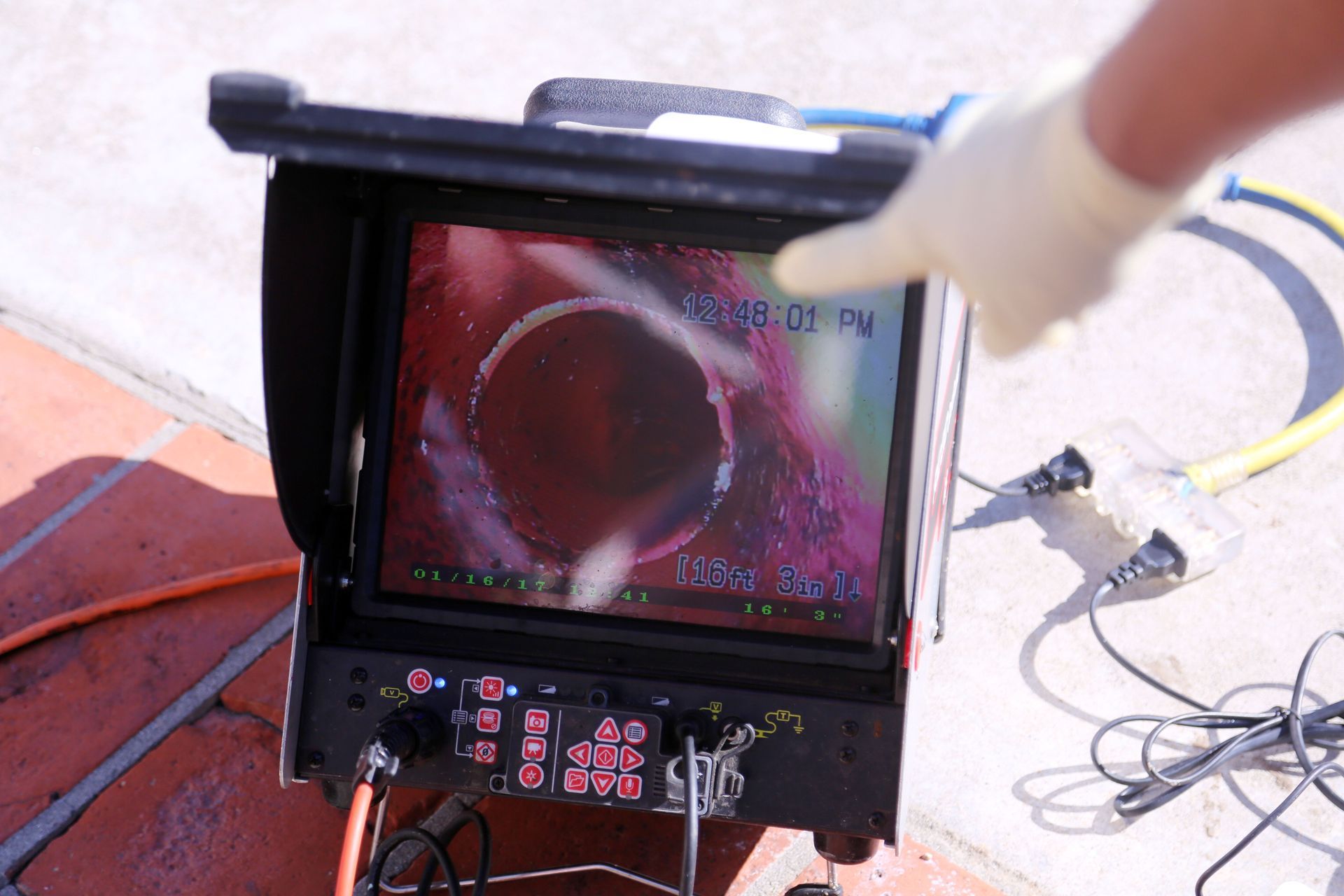
Sewer line backups occur when wastewater cannot flow properly away from a property. Warning signs may include several drains backing up at once, gurgling sounds, or wastewater appearing in a lower-level fixture. Possible causes include severe blockages, damaged pipes, invasive tree roots, or accumulated debris inside the sewer line. Local plumbers can investigate these symptoms and determine whether the issue involves a branch drain or the main sewer line. Depending on the situation, an inspection camera may help locate damage or identify the obstruction. Homeowners should treat sewage backups seriously because contaminated water can create health hazards and damage flooring or other building materials. Avoid using affected fixtures until the source has been assessed, particularly if wastewater is rising through drains. Prompt professional evaluation can help limit the disruption and identify the necessary repairs.
Investigating Unpleasant Drain Odors
Persistent odors coming from sinks, showers, or floor drains may indicate a drainage or plumbing issue. Food residue, grease, and organic material can accumulate inside pipes and produce unpleasant smells as they break down. A dry drain trap may also allow sewer gases to enter an indoor space because the water barrier has evaporated. Local plumbers can help determine whether the odor comes from buildup, a trap problem, a venting issue, or a damaged pipe. Homeowners can sometimes restore a dry trap by running water into an infrequently used fixture. However, smells that persist after basic measures may require a professional inspection. Sewer-like odors should not be ignored, particularly when they occur alongside gurgling drains or recurring backups. Finding the source allows the appropriate correction to be made instead of masking the smell with fragrances.
Detecting Leaks and Damaged Drain Pipes
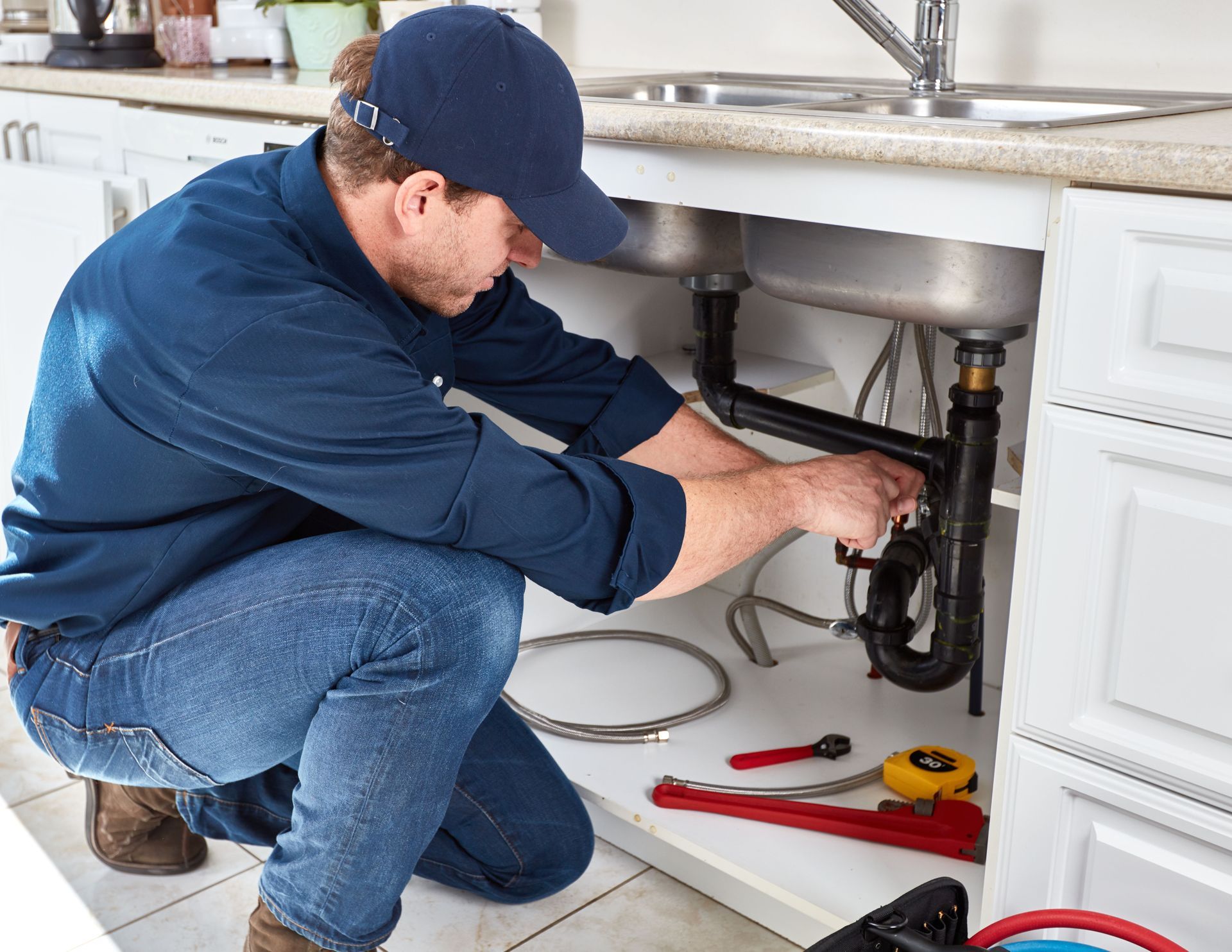
Drain pipes can develop cracks, loose connections, corrosion, or other forms of deterioration over time. These problems may allow wastewater to escape into cabinets, walls, floors, or surrounding soil. Signs can include damp patches, unexplained water stains, mold growth, or persistent moisture near plumbing fixtures. Local plumbers can inspect accessible pipework and help locate leaks that are not immediately visible. Depending on the pipe material and location, repairs may involve replacing a damaged section, tightening a connection, or addressing a more extensive failure. Concealed leaks deserve prompt attention because continued moisture exposure can damage building materials and encourage mold growth. Homeowners should avoid covering wet areas before the source of the leak has been identified. Timely repairs help prevent further deterioration and restore the drainage system's proper function.
Clearing Blockages Caused by Tree Roots
Tree roots can enter sewer pipes through small cracks, loose joints, or existing openings. Once inside, roots may expand and trap toilet paper, waste, and other debris, gradually restricting wastewater flow. Early symptoms can resemble ordinary clogs, including slow drains, recurring backups, and gurgling sounds. Local plumbers can assess whether root intrusion is affecting the sewer line and recommend a suitable response. Depending on the extent of the intrusion, specialized cutting equipment may remove roots from inside the pipe. However, removing the roots may not resolve the underlying problem if the pipe remains cracked or structurally damaged. Further inspection can help determine whether a repair or replacement is necessary. Addressing root intrusion at its source can reduce the likelihood of repeated blockages and related drainage problems.
Preventing Drain Problems Through Maintenance
Routine maintenance can help reduce the likelihood of avoidable drain blockages and identify developing issues before they become severe. Homeowners can start by using sink strainers, keeping food scraps and grease out of kitchen drains, and removing hair from bathroom drain covers. Flushing only appropriate materials down toilets also helps protect the drainage system from preventable obstructions. Local plumbers can recommend maintenance measures suited to the property's pipework, age, and usage patterns. Persistent problems may require professional cleaning or inspection rather than repeated do-it-yourself attempts. Older properties may benefit from closer attention to aging pipes and recurring drainage symptoms. Homeowners should also pay attention to changes in drainage speed, unusual sounds, and odors. A consistent maintenance approach can help preserve reliable drainage and reduce the risk of unexpected plumbing disruptions.
Recognizing When Professional Help Is Needed
Some drainage issues require more than a household plunger or basic cleaning routine. Multiple fixtures draining slowly, repeated clogs, sewage odors, and wastewater backups can indicate a deeper problem that needs investigation. Local plumbers have access to tools and diagnostic methods that can help identify the cause of these symptoms. Seeking help early may prevent an obstruction or leak from causing more extensive damage. Homeowners should explain when the problem began, which fixtures are affected, and whether the symptoms have occurred before. This information can help guide the initial assessment and determine which areas need attention. If sewage is backing up or water is leaking near electrical equipment, avoid the affected area and seek appropriate professional assistance immediately. Choosing timely service helps homeowners restore normal drainage and make informed decisions about necessary repairs.
Primo Plumbing & Heating can help homeowners address drainage concerns and identify the cause of persistent plumbing problems. Whether a drain is repeatedly clogging, water is moving slowly, or a backup suggests a more serious issue, professional assessment can help determine the next step. Contact us to discuss your drain concerns and arrange service suited to your home's plumbing needs.