November 5, 2026
Understanding when to repair or replace a water heater is crucial for efficient home management. This guide explores the essential factors influencing this decision, helping homeowners make an informed choice that balances short-term repair costs with long-term financial benefits. Relying on professional plumbing services ensures that your home stays comfortable and fully functional year-round, giving you complete confidence when evaluating your current system.
Evaluating the Average Lifespan of Water Heaters
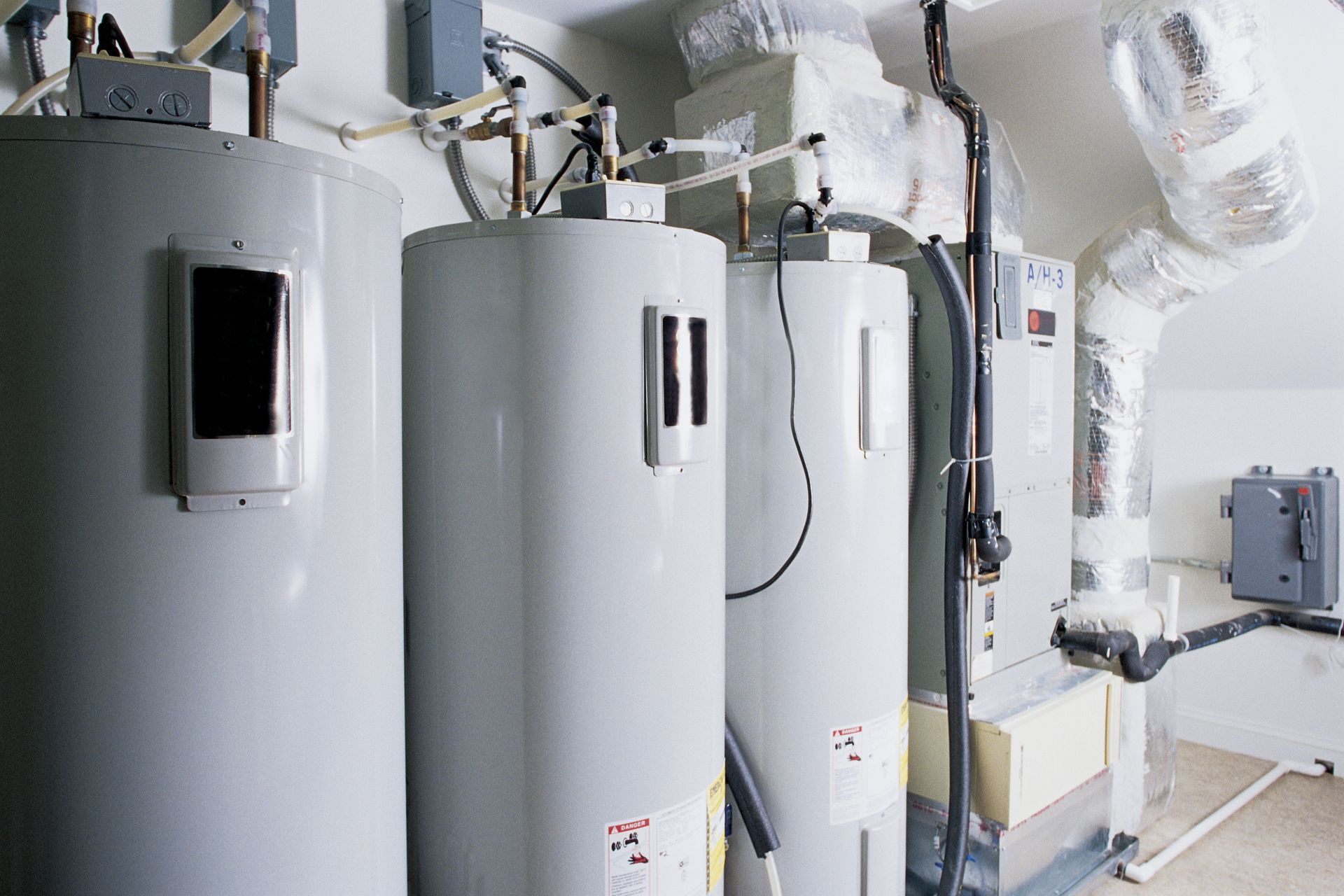
Water heaters come in various types, such as tankless, conventional storage, heat pump, and solar heaters, each with differing lifespans. Traditional storage tank heaters generally last 10 to 15 years, whereas tankless models can extend up to 20 years with proper care. Heat pump water heaters often have a lifespan of 10 to 15 years, similar to conventional systems. Solar water heaters boast a longer expected life due to their advanced technology, often surpassing 20 years. Understanding the expected lifespan of your system guides your decisions and financial planning for an eventual replacement.
As water heaters age, they exhibit certain clear signs indicating wear and tear. Frequent leaks, inconsistent water temperature, and unusual rumbling noises are symptoms that a unit might be nearing the end of its useful life. Rusty water is another critical indicator, suggesting that the tank interior is corroding. Over time, sediment buildup can also reduce heating efficiency and tank capacity, leading to higher energy bills. Recognizing these signs early with help from qualified plumbing services helps determine whether repair or replacement is the better option.
Maintaining Efficient Operation with Regular Upkeep
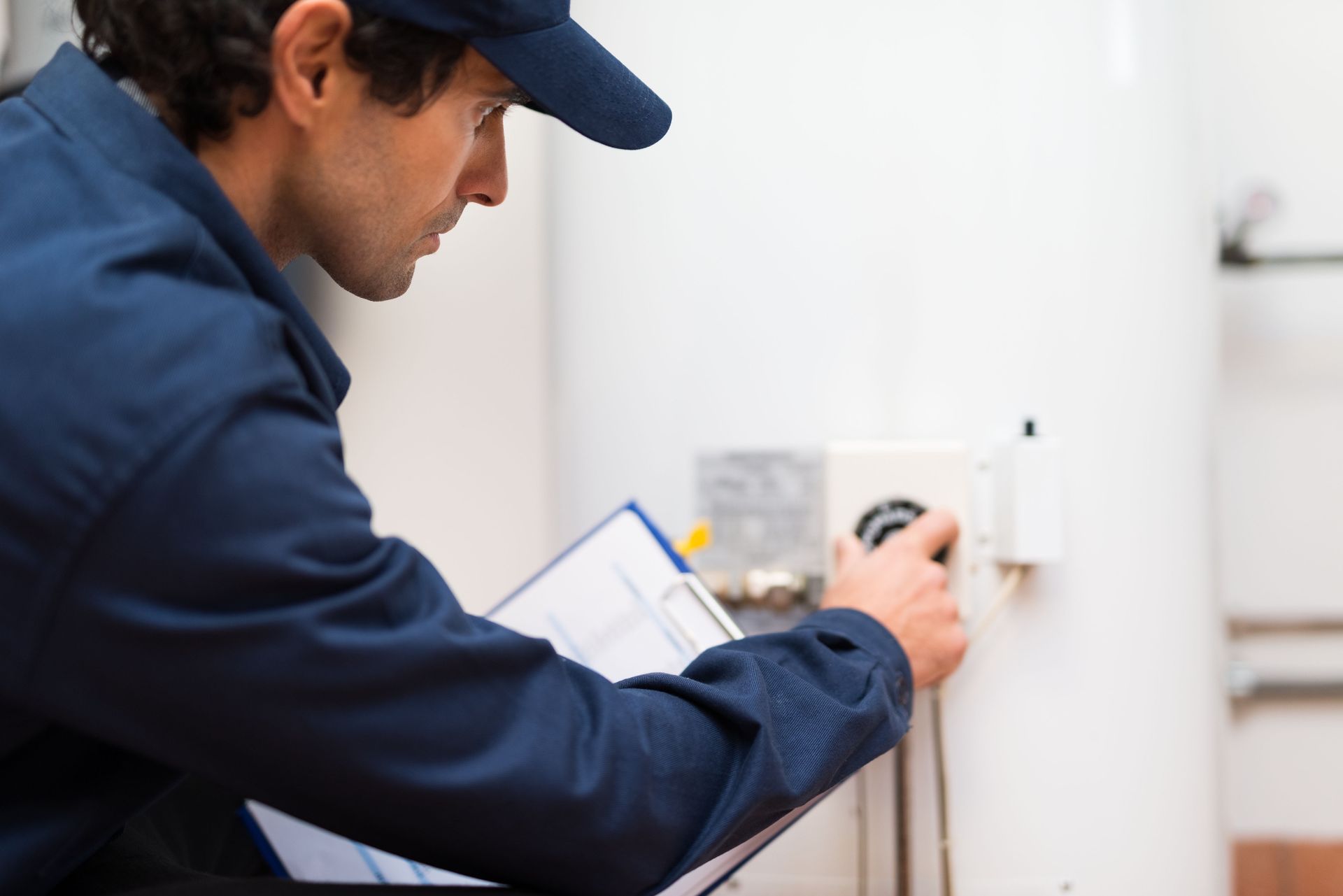
Regular maintenance plays a vital role in extending the overall life of a water heater and preserving its operating efficiency. Annual inspections, timely replacement of anode rods, and periodic flushing of the tank to remove sediment are essential practices. By maintaining a routine service schedule, homeowners can mitigate minor issues before they escalate into major problems. Keeping up with maintenance also ensures that the system operates safely, reducing energy waste and prolonging overall equipment life.
Neglecting routine upkeep can lead to sudden mechanical failures and unexpected expenses. Homeowners who schedule periodic checks with reliable plumbing services often catch small issues before severe damage occurs. Professional technicians can inspect heating elements, check pressure relief valves, and verify system safety, giving homeowners invaluable peace of mind. Investing a small amount in ongoing care protects your home infrastructure and prevents premature system replacement.
Identifying Common Issues that Require Simple Repairs
Water heater issues are straightforward to fix, making it unnecessary to jump immediately to system replacement. Common problems include a malfunctioning thermostat, faulty heating elements, or minor pilot light and thermocouple issues in gas units. These specific components can often be restored or replaced at a fraction of the total cost of buying a brand-new appliance. Addressing these smaller repairs prolongs the operational life of the unit without compromising overall heating efficiency.
Knowing which issues are simple to correct is crucial for making cost-effective choices. Repairing a water heater is often the most sensible path, particularly for newer models that are still structural sound. For instance, a new thermostat or heating element can cost under $200, including labor, while a full unit replacement can run well over $1,000. Homeowners should weigh the cost of immediate fixes against the unit's age and overall condition to avoid unnecessary spending.
Assessing System Availability and Replacement Part Logistics
The availability of replacement components is a critical factor when deciding whether to repair an older water heater. Older or discontinued models may have hard-to-find parts, making routine fixes more challenging and expensive. Conversely, newer models typically feature readily available components, allowing for quicker and far more economical repairs. When a replacement part is scarce or overly expensive, upgrading to a modern system becomes the wiser choice.
Navigating part availability is much easier when working alongside skilled plumbing services. Licensed technicians can quickly source manufacturer-approved components or determine if a part has been phased out. Having clear information regarding component costs helps homeowners avoid spending money on a system that is near the end of its functional life. Professional guidance simplifies the choice between searching for obscure parts and upgrading to a new system.
Recognizing Critical Signs That Indicate Replacement
While many common issues are fixable, certain severe signs strongly suggest that system replacement is the best option. Persistent structural leaks, severe tank corrosion, and a complete failure to heat water are critical problems that necessitate installing a fresh unit. Additionally, if the cost of incoming repairs approaches half the price of a new water heater, replacing the equipment is far more sensible. Repeated breakdowns also indicate that the unit is no longer dependable for daily household needs.
Evaluating long-term costs against immediate fix prices helps clarify the decision. While initial replacement costs are higher than minor repairs, a new installation offers long-term savings through improved operating efficiency and increased reliability. According to the United States Department of Energy, installing a modern tankless water heater can increase energy efficiency by up to 34% compared to a conventional storage unit in households utilizing 41 gallons of hot water or less per day. These ongoing savings help offset the upfront purchase price over time.
Analyzing the Direct Impact on Home Energy Efficiency
Replacing an aging water heater with a modern, high-efficiency model significantly impacts household energy costs. Modern equipment, including tankless systems and units with advanced heat pump technology, is designed to maximize energy utilization. An efficient heater reduces overall gas or electricity consumption, directly lowering monthly utility bills. Over time, the accumulated savings from improved efficiency help recover a substantial portion of the original purchase investment.
Evaluating overall efficiency ratings provides clear insight into long-term performance benefits. The Energy Factor rating measures a heater's performance; higher ratings signify greater operating efficiency. Tankless models typically feature higher efficiency ratings compared to traditional storage units. Homeowners who consult with experienced plumbing services can identify the ideal system rating for their household size, ensuring maximum energy savings without sacrificing hot water performance.
Navigating Installation Requirements and Budgeting Options
The installation process varies depending on the water heater type, directly influencing overall project costs. Traditional tank models are generally simpler and less expensive to install, whereas tankless systems require a more complex setup that may involve upgrading gas lines, electrical panels, or plumbing configurations. Professional installation ensures complete safety and full compliance with local building codes. Factoring in specific installation needs allows homeowners to budget accurately for their upgrade.
Various financing options exist for homeowners facing unexpected water heater replacement costs. Personal loans, manufacturer payment plans, and credit options can spread the financial burden across manageable monthly payments. Additionally, local utility providers frequently offer incentives or rebate programs for upgrading to qualified energy-efficient units. Exploring these financing opportunities helps manage household budgets effectively when a system replacement becomes necessary.
Reducing Environmental Impact with Sustainable Technology
Water heaters contribute significantly to a home's total carbon footprint and overall energy consumption. Traditional storage heaters continuously heat standing water, resulting in standby heat loss and unnecessary energy usage. Upgrading to eco-friendly options like demand-based tankless units or solar-assisted systems dramatically reduces greenhouse gas emissions. Selecting environmentally conscious equipment aligns with sustainable living practices while lowering daily resource consumption.
Advanced water heating technologies offer eco-friendly operating modes without sacrificing performance. Tankless units eliminate standby energy loss by heating water exclusively on demand. Heat pump water heaters draw warmth from the surrounding air to heat water, using a fraction of the electricity required by standard units. Investing in these innovative models allows homeowners to minimize their environmental impact while enjoying reliable performance backed by professional plumbing services.
Deciding between repairing or replacing your water heater involves carefully evaluating its age, repair history, ongoing efficiency, and overall environmental impact. Weighing these factors helps homeowners make informed choices that protect their financial well-being and home comfort. Routine maintenance and timely upgrades prevent unexpected breakdowns and keep utility costs low. For trusted assistance with system evaluations, repairs, and professional installations, turn to the dedicated team at Primo Plumbing & Heating.